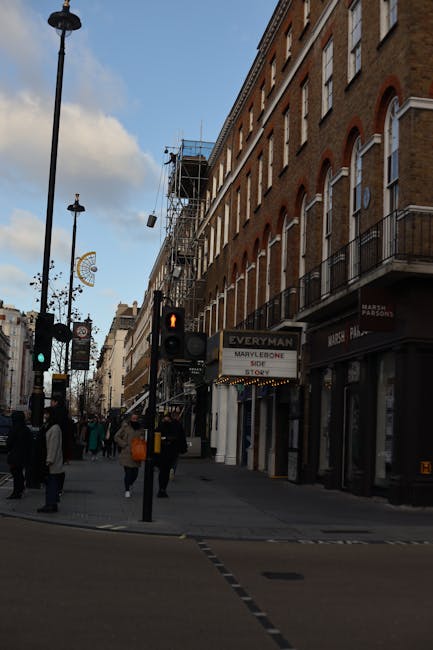
Flat clearance for probate in Marylebone: common challenges

Dealing with a loved one's flat after a bereavement is never just about moving items from A to B. With flat clearance for probate in Marylebone, families often face a mix of legal, practical, and emotional hurdles all at once: tight stairwells, parking limits, inherited furniture, missing paperwork, and the awkward reality that several people may have a say in what happens next. It can feel a bit much, especially in a place like Marylebone where flats are often full of character, but not exactly generous on space.
This guide walks through the common challenges, how the process usually works, what to watch out for, and how to make better decisions without rushing. If you are trying to understand probate flat clearance in plain English, you are in the right place.
Why Flat clearance for probate in Marylebone: common challenges Matters
Probate clearance matters because it sits right at the point where law, family responsibility, and property logistics meet. Until the estate is properly managed, nobody really wants to make assumptions about what should be sold, stored, donated, recycled, or removed. That uncertainty is one of the biggest sources of friction. And in Marylebone, where properties are often compact, valuable, and sometimes older buildings with awkward access, the room for error is smaller than people expect.
There is also a timing issue. Probate can take longer than families hope, but flats still need sensible oversight during that period. You may need to secure the property, reduce clutter, arrange valuations, identify sentimental items, and prepare for eventual sale or handover. If the flat is being marketed, a clear and respectful clearance can help it present properly. If it is being kept, the task becomes about organising contents without causing avoidable stress.
One thing people often underestimate is how emotionally heavy this work can be. You are not just sorting furniture. You are deciding what remains of a person's day-to-day life. That is why a steady, practical approach usually works better than a fast, heavy-handed one. A good clearance plan gives everyone a bit of breathing room.
How the Probate Flat Clearance Process Works
In simple terms, probate flat clearance means clearing a property while the estate is being administered or prepared for transfer, sale, or settlement. The exact route depends on who the executor is, whether probate has been granted, what needs to stay in the property, and whether there are items of value that should be assessed before anything is removed.
Usually, the process starts with an inventory. That sounds dry, but it is genuinely useful. You want a basic record of furniture, white goods, artwork, documents, jewellery, books, and anything that might carry sentimental or financial value. From there, the estate representative can decide what is to be retained, appraised, sold, donated, recycled, or cleared. In a Marylebone flat, the "clear" part often includes awkward items that are perfectly ordinary but oddly difficult to move, like large wardrobes, antique sideboards, or a heavy piano that has seen better days.
If there are multiple beneficiaries, communication becomes essential. We have seen otherwise straightforward jobs stall because one sibling thought an item was rubbish while another thought it was a family heirloom. It happens. More than people admit, actually.
Once decisions are made, the clearance itself should be organised around access, protection, and traceability. Hallways, lifts, communal entrances, and floor surfaces need careful handling. This is where services such as flat removals Marylebone can be useful for the moving side, while furniture-heavy or bulky items may require additional planning through furniture removals in Marylebone.
For probate cases that include unwanted bulky items, another recurring issue is disposal. A few things can go to reuse, some may be suitable for recycling, and some simply need safe removal. If you are unsure who clears the large pieces, the guide on bulky furniture clearance solutions is worth a look.
Key Benefits and Practical Advantages
When the process is handled properly, probate clearance gives you more than an emptied flat. It gives you control, clarity, and a cleaner handover point for the estate. That matters whether you are preparing to sell, let, or simply protect the property during administration.
- Better organisation: inventory-led clearance reduces the chance of mistakes or disputes.
- Less stress for executors: the practical burden is lighter when the work is structured.
- Improved property presentation: a cleared flat is easier to inspect, value, and market.
- Reduced risk of damage: careful planning helps protect communal areas and the flat itself.
- More efficient disposal: items can be separated into resale, donation, recycling, and waste streams.
There is also a financial advantage, though it is sometimes indirect. Keeping the property tidy and accessible may reduce delays if estate agents, valuers, or solicitors need to visit. It can also help avoid extra charges caused by missed access windows or rushed removals. Truth be told, the cheapest option is often the one that avoids rework.
Marylebone adds a local layer to this. Streets can be busy, parking can be limited, and building access may be stricter than the family expected. A clearance plan that fits the location usually saves time and awkwardness. If you want a broader sense of the local moving landscape, the services overview is a good reference point.
Who This Is For and When It Makes Sense
Probate flat clearance is relevant for executors, administrators, next of kin, solicitors working alongside families, and anyone responsible for managing the contents of an inherited flat. In practice, it is most useful when the property contains more than a few personal effects and there is no simple "pack it all up in an afternoon" answer. Let's face it, that is most probate flats.
It makes sense in several scenarios:
- the property is being sold and needs to be emptied first;
- certain belongings must be separated for beneficiaries before clearance begins;
- the flat contains bulky furniture, fragile items, or specialist possessions;
- there are access complications, such as stairs, small lifts, or restricted loading;
- the executors are not local and need a reliable managed process;
- the family wants to avoid waste and keep recyclable items in circulation.
It is also relevant when the flat has been occupied for a long time. Older homes can accumulate a surprising amount of paperwork, storage boxes, duplicate furniture, and items no one remembers buying. That first walk-through can be a bit of a time capsule. You open one cupboard and suddenly you are looking at bank statements from another decade. Not glamorous, but very real.
If the inherited flat is part of a wider move or estate transition, you may also find the local pages on removals in Marylebone and man with van Marylebone helpful for understanding how different levels of support are typically arranged.
Step-by-Step Guidance
Here is a practical way to approach probate clearance without turning it into a chaotic weekend project. Small steps. Clear decisions. Fewer surprises.
- Confirm who has authority. Before anything is removed, check who is legally responsible for the estate. If there is more than one executor, agree who is coordinating the clearance.
- Walk through the flat carefully. Make a basic inventory and separate obvious documents, sentimental items, and anything that may have resale value.
- Agree what stays and what goes. This is where beneficiaries, family members, or solicitors may need to confirm decisions. Do not assume.
- Identify access constraints. Measure corridors, staircases, lift sizes, door widths, and any parking or loading restrictions. In Marylebone, this step matters a lot.
- Choose the right level of clearance support. Some estates need a full managed clearance; others only need targeted removal of furniture and waste.
- Sort items into categories. Keep, distribute, value, donate, recycle, dispose. It sounds simple, but the discipline helps.
- Protect the property. Use coverings where needed and avoid dragging heavy items through hallways or across original floors.
- Clear in a sensible order. Start with bulk items, then smaller contents, then final checks for cupboards, lofts, and storage spaces.
- Record what was removed. A simple note or photo log can prevent confusion later.
- Finish with a final inspection. Check for documents, keys, meters, and any items that should remain with the estate.
If the property includes furniture that cannot be reused, you may want to think about disposal routes in advance. For guidance on that side of the job, the article on who clears bulky furniture in Marylebone is a sensible companion read.
Expert Tips for Better Results
In our experience, the smoothest probate clearances are rarely the fastest. They are the ones where people take ten extra minutes to think before moving the first item. That small pause pays off later.
1. Start with documents and valuables, not furniture
It is tempting to begin by emptying the obvious large items. But that can be a mistake. First, secure passports, deeds, wills, bank papers, jewellery, and small valuables. Once those are safe, the rest becomes easier to manage. A little boring perhaps, but very sensible.
2. Separate sentiment from waste early
Family disagreements often begin with the same sentence: "I thought that was rubbish." Anything with emotional value should be put aside early, even if nobody is ready to decide immediately. It avoids needless pressure.
3. Check access before booking help
Marylebone flats can involve narrow staircases, compact lifts, controlled parking, or awkward loading positions. If you are booking removal support, make sure the provider understands the building layout. A short note about floor level, lift size, and parking can prevent an expensive surprise on the day. The piece on W1U flats and staircase or lift tips is relevant here.
4. Keep communication calm and written
If several relatives are involved, put decisions in writing where possible. Even a short email trail can be enough. It is not about being formal for the sake of it. It is about avoiding the "I never agreed to that" conversation later.
5. Think about the end state
Ask yourself: what is this clearance supposed to achieve? Sale-ready flat? Secure storage? Empty shell for probate inspection? Donation and reuse first? Once the end point is clear, every decision becomes simpler.
Common Mistakes to Avoid
Probate clearances go wrong for surprisingly ordinary reasons. Nothing dramatic. Just a few preventable missteps that create extra work.
- Removing items before authority is clear: this can create legal and family problems.
- Throwing away paperwork too soon: documents can matter much later than you expect.
- Forgetting shared ownership issues: some items may not belong solely to the deceased.
- Ignoring access problems: a narrow staircase or no-parking zone can derail a whole day.
- Underestimating emotional reactions: a cleared room can trigger feelings that no one predicted.
- Choosing the wrong type of support: a quick man-and-van style move is not always enough for a full estate clearance.
- Not planning disposal in advance: reusable, recyclable, and waste items need different handling.
One small but important mistake is assuming the flat will be easy because it is "only a flat." In Marylebone, flat size has little to do with clearance complexity. A compact property can still have difficult access, expensive contents, and a lot of decision-making wrapped around every box.
Tools, Resources and Recommendations
You do not need a mountain of equipment, but a few practical tools make the process much easier.
- Inventory sheet: even a simple spreadsheet or handwritten list helps.
- Labels or tape: mark items as keep, donate, value, or dispose.
- Protective packing supplies: useful for fragile or sentimental belongings.
- Boxes and bags: especially for documents, books, and smaller personal effects.
- Phone camera: photo records are simple and effective.
- Access notes: floor level, parking constraints, lift dimensions, and entry instructions.
For properties with a lot of contents, the page on packing and boxes in Marylebone can help you think through the early sorting stage. If items need to be kept temporarily, storage in Marylebone may also be a useful option, especially when beneficiaries need time to decide what to do with inherited pieces.
If you are comparing support levels, it is often worth looking at removal services in Marylebone alongside man and van Marylebone and removal companies in Marylebone. The right choice depends on scope, access, item weight, and how much responsibility you want to hand over. Not every job needs the same approach, and that is fine.
Law, Compliance, Standards, and Best Practice
Probate clearance often sits near legal and administrative issues, so caution matters. While this article is not legal advice, there are some broadly sensible best practices to follow.
First, only dispose of items once the estate representative has authority to do so. If probate has not yet been granted, or if ownership is disputed, hold off on irreversible decisions. Second, keep records. A simple inventory, notes on gifts to beneficiaries, and a log of what was removed can all help later. Third, be careful with documents that may contain personal or financial information. They should not just disappear into general waste without thought.
It is also wise to work in line with general health and safety expectations, especially where lifting, carrying, or shared communal spaces are involved. Professional teams should use sensible handling methods and protect both people and property. If you want to understand how one local provider frames this kind of work, the health and safety policy and insurance and safety pages are relevant reading.
For items that can be reused or recycled, best practice is to keep the waste stream as small as possible. Reuse first, recycle second, dispose last. That is cleaner, cheaper in many cases, and simply better stewardship. The recycling and sustainability page aligns well with that mindset.
If there is ever uncertainty about the service terms, payment arrangements, or the scope of work, read the small print carefully. That may sound obvious, but in real life people often skim right past the bits that later matter most.
Options, Methods, or Comparison Table
Different probate clearances need different methods. The table below gives a straightforward comparison of common approaches.
| Approach | Best for | Strengths | Limitations |
|---|---|---|---|
| Family-led clearance | Small flats with limited contents and straightforward access | Personal control, flexible timing, lower direct cost | Can be slow, emotionally hard, and physically demanding |
| Managed removal support | Flats with bulky furniture, tight access, or time pressure | Less lifting, better coordination, more efficient scheduling | Requires clear instructions and good communication |
| Full clearance service | Properties that need to be emptied almost entirely | High convenience, structured sorting, easier final handover | Needs careful agreement on valuables, documents, and exceptions |
| Hybrid approach | Most probate flats in practice | Combines family decisions with professional handling of heavy or awkward items | Needs a bit more planning up front |
For many Marylebone properties, the hybrid model is the sweet spot. Families handle sensitive decisions, while experienced movers or clearance teams take care of the heavy lifting and access logistics. It is often the least painful route, to be fair.
Case Study or Real-World Example
Consider a typical Marylebone probate flat: a second-floor apartment near a busy street, with a mix of older furniture, boxed papers, a few framed prints, and a dining table that nobody really wants but everybody feels they should keep. The executors live outside London, so they cannot pop back and forth every day. There is a narrow staircase, a small lift, and a loading bay that needs careful timing.
The first visit is mostly about sorting. Documents are put aside, one small box is marked for a beneficiary, and several items are photographed before any decisions are made. A bulky wardrobe is identified early because it will need more than one person to move. The family agrees that some furniture can be donated or recycled, while a few items are held in storage until the beneficiaries have time to decide.
On the clearance day, the access plan matters more than anyone expected. The van cannot just park wherever it likes. Timing has to fit the street, the building, and the load-out route. A calm, well-sequenced removal keeps the hallway clear and avoids that awkward moment where everyone stands around saying, "Right, how are we getting this out then?"
The result is not dramatic. That is the point. The flat is emptied with less stress, the executors have a clear record of what was removed, and the property is left in a much better state for the next stage. It is a fairly ordinary outcome, but a genuinely good one.
If you are preparing a similar clearance and need a broader sense of local moving options, the page on same day removals in Marylebone can be useful when timing is tight. Sometimes the estate simply needs momentum.
Practical Checklist
Use this as a quick working list before you start. Nothing fancy, just a dependable reminder.
- Confirm who has authority to manage the estate.
- Check whether probate has been granted or is still pending.
- Make a room-by-room inventory.
- Set aside documents, keys, and valuables first.
- Identify items for family, resale, donation, recycling, or disposal.
- Measure stairs, lifts, corridors, and doorways.
- Check parking, loading, and access restrictions.
- Protect floors and walls before moving bulky items.
- Take photos for records before and after clearance.
- Keep a note of anything unusual, missing, or disputed.
- Arrange storage if decisions are not final.
- Do a final sweep of cupboards, loft spaces, and hidden drawers.
If you want a more general moving checklist mindset, this guide to comparing Marylebone removal quotes can help you think more clearly about pricing and scope too. That's useful because probate work is rarely just one clean price in one neat box.
Get a free quote today and see how much you can save.
Conclusion
Flat clearance for probate in Marylebone is rarely as simple as clearing a standard rental flat, and that is exactly why it deserves careful handling. The big challenges are usually not dramatic ones; they are the everyday issues that pile up together: legal authority, family decisions, access restrictions, bulky items, and the emotional weight of sorting a life's possessions.
Handled well, the process becomes far more manageable. You protect the estate, reduce stress, and keep the flat moving toward its next stage without unnecessary delay. And that steady progress matters. It gives everyone a little more certainty, which, in situations like this, is worth a great deal.
Take it step by step, keep communication clear, and do not be afraid to ask for practical help where it genuinely saves time and strain. A thoughtful clearance is not just efficient; it is kinder.
Frequently Asked Questions
What is probate flat clearance in Marylebone?
It is the process of sorting and removing contents from a flat that forms part of an estate being administered after someone has died. In Marylebone, the process often needs extra care because of access, parking, and building layout.
Do I need probate before clearing the flat?
Not always for every small action, but you should be very clear about who has authority to remove or dispose of items. If there is uncertainty, pause before making irreversible decisions.
What are the biggest challenges with probate flat clearance?
The main challenges are deciding what belongs to whom, identifying valuables or documents, handling bulky furniture, working around restricted access, and managing family expectations without confusion.
How long does probate clearance usually take?
That depends on the size of the flat, the number of possessions, and how quickly decisions are made. A well-organised one-bed flat can be straightforward; a long-occupied property with multiple stakeholders takes longer.
What should be removed first during a probate clearance?
Start with documents, valuables, keys, and any items clearly identified as sentimental or legally important. After that, you can move on to furniture, fixtures, and the remaining contents.
Can furniture be donated during probate clearance?
Yes, if the estate representative agrees and the items are suitable for reuse. Donation is often a sensible option for furniture in reasonable condition, but it should still be recorded.
How do I handle bulky or heavy items in a Marylebone flat?
Measure access first, plan the removal route, and make sure the right level of support is booked. Narrow staircases, lifts, and parking rules can turn a simple move into a tricky one.
Is probate clearance different from ordinary flat clearance?
Yes. Ordinary flat clearance is usually about emptying a property for a tenant move or sale. Probate clearance adds legal responsibility, record-keeping, and often more emotional complexity.
What happens if family members disagree about belongings?
That is common. The best approach is to pause, list disputed items, and avoid disposing of anything contentious until the estate decision is clear. Written notes help a lot here.
Should I keep a record of what was removed?
Absolutely. A simple inventory, photos, or a signed note of items can prevent misunderstandings later and provide a useful record for the estate.
Can probate clearance help with selling the flat?
Yes. A cleared, tidy property is much easier to value, view, and market. Even partial clearance can improve presentation and reduce delays.
How do I choose the right help for the job?
Think about access, item size, time pressure, and how much of the process you want to manage yourself. Some estates need only transport support, while others benefit from a fuller managed clearance.
When the details are handled well, probate clearance becomes less about pressure and more about closure. And that, in the end, is the quiet win everyone is hoping for.