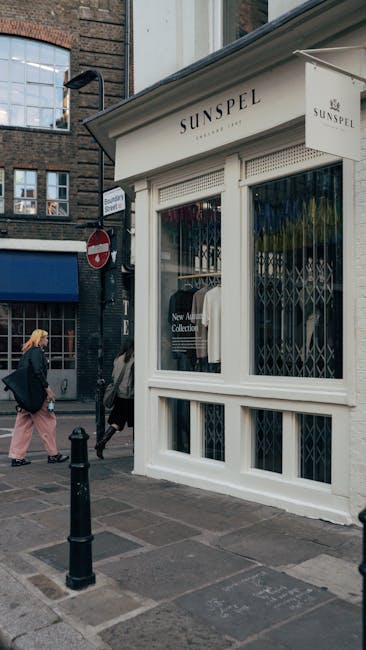
Marylebone High Street Moves: Tips for Boutique Shop Relocations
Moving a boutique shop on or near Marylebone High Street is not just a logistics job. It is a brand move, a customer-experience move, and often a very public one. One wrong delivery slot, one awkward lift, one forgotten fitting room rail, and the whole day can start to feel a bit wobbly. Truth be told, that is why Marylebone High Street Moves: Tips for Boutique Shop Relocations need a more careful plan than a standard small business move.
Marylebone has a distinct rhythm: elegant frontages, busy pavements, tight access in places, and customers who notice details. Boutique retail thrives here because presentation matters. So does timing. So does discretion. In this guide, you will find a practical, local-minded approach to relocating a boutique without losing stock, upsetting trade more than necessary, or turning opening day into a scramble. If you want a broader view of the area and its character, the background in this Marylebone area guide is a helpful place to start.
This is written for owners, managers, visual merchandisers, and anyone who has had to ask, at 9pm with a tape measure in one hand, "how on earth are we fitting all this in tomorrow?" Let's make the process clearer.
Table of Contents
- Why Marylebone High Street Moves Matter
- How the Relocation Process Works
- Key Benefits and Practical Advantages
- Who This Is For and When It Makes Sense
- Step-by-Step Guidance
- Expert Tips for Better Results
- Common Mistakes to Avoid
- Tools, Resources and Recommendations
- Law, Compliance, Standards, or Best Practice
- Options, Methods, or Comparison Table
- Case Study or Real-World Example
- Practical Checklist
- Conclusion
- Frequently Asked Questions
Why Marylebone High Street Moves Matter
Relocating a boutique shop in Marylebone is different from moving a storage room or a back-office setup. Customers often know your space, your window layout, your opening times, and even your soundtrack. A move can affect all of that. The better you handle it, the more likely you are to keep your regulars calm, protect your stock, and reopen with confidence rather than panic.
Marylebone High Street is also a place where first impressions carry real weight. In a neighbourhood known for polished independent retail, a messy transition can quietly damage the image you have worked to build. A smooth move signals care, competence, and attention to detail. It tells people you value the business and the people who visit it.
There is also the practical side. Shop relocations involve more fragile items than many people expect: lighting, branded displays, mirrors, point-of-sale equipment, stock by size and season, packaging materials, and sometimes furniture that is more decorative than sturdy. If your boutique sells luxury clothing, accessories, homewares, gifts, or curated pieces, one clumsy move can create avoidable losses. A more considered approach reduces that risk. Simple enough, but worth saying.
Finally, timing matters in a trading street like Marylebone High Street. Access windows, loading constraints, foot traffic, and landlord expectations all need to be coordinated. A boutique move works best when it is treated as a mini-project, not a last-minute van booking. If you need support with the wider moving process, the site's removal services in Marylebone page gives a useful overview of what can be arranged.
How Marylebone High Street Moves: Tips for Boutique Shop Relocations Works
At its core, a boutique relocation is a staged operation. First you assess what is moving, then you reduce what should not move, then you pack by category, then you move in a controlled order, and finally you reopen with the right look and stock available. That is the basic shape of it. The detail is where things get easier or harder.
The process usually begins with a site walk-through. Measure doorways, stairs, lifts, corridors, window entrances, and any awkward corners. Check where the van can stop and how long loading will take. In Marylebone, a short walk from the vehicle to the door can still become a bottleneck if you have heavy display units or a lot of fragile stock to shift.
Next comes inventory planning. A boutique should not move everything as one undifferentiated pile. Separate stock, hangers, shelving, glassware, merchandising tools, paperwork, tech, and valuables. Label everything in a way staff can actually read at 8am on a moving day. If the label system is too clever, it will fail. To be fair, it usually does.
Then you schedule the move around trading patterns. Many boutique owners prefer a Monday or midweek move because weekend trade is too valuable to disrupt, but that depends on your customer base and lease timing. Some moves are done in phases, with stock transferred after close and displays rebuilt before opening. Others need a full shut-down. There is no universal answer, just the answer that best fits your business.
Finally, there is the reinstall. This stage is often underestimated. A boutique does not become itself again the moment the boxes arrive. The fitting rooms, rails, mirrors, signage, and counter all need to be positioned with care. If you want a deeper sense of the services that can support this kind of relocation, take a look at office removals in Marylebone and furniture removals for heavier items, both of which are relevant when a retail setup includes counters, shelving, or display units.
Key Benefits and Practical Advantages
Done properly, a boutique relocation brings benefits beyond simply "getting from A to B." It can help you reset the layout, tighten visual merchandising, and make the shop feel more intentional. That matters in a location where shoppers often browse with their eyes before they spend with their wallets.
1. Less stock damage
Careful packing and sequencing reduce the chance of crushed boxes, scratched fixtures, and broken accessories. The cost of replacing damaged stock can be far more painful than investing in proper moving support up front.
2. Faster reopening
A planned move means shelves, rails, and tills can be set up in the right order. That helps you trade sooner. And if you are moving in a short lease gap, every hour counts.
3. Better staff coordination
When your team knows the plan, everyone stops guessing. One person handles stock lists, another manages branded packaging, another checks the new site. It sounds simple, but clear roles cut stress dramatically.
4. A cleaner customer handover
Regular shoppers often notice when a boutique relocates well. A neat social post, a tidy window, and a smooth reopening all help preserve trust. You do not want your first message to be apology-heavy if you can avoid it.
5. Better use of storage and space
A move is the ideal point to rationalise. Maybe that overlarge display table has been doing nothing for six months. Maybe half your packaging inventory can be consolidated. A relocation can quietly improve the business.
Practical takeaway: the best boutique moves are not the fastest ones; they are the ones that protect stock, reduce downtime, and let the shop reopen looking as if the move was planned months in advance.
Who This Is For and When It Makes Sense
This guide is for independent retailers, fashion boutiques, gift shops, artisan brands, concept stores, and showroom-style businesses that rely on presentation as much as product. If your store has curated fixtures, delicate stock, or a strong visual identity, a standard "van and go" approach is usually not enough.
It also makes sense for owners moving from a smaller unit into a more visible frontage on Marylebone High Street, or shifting to a space with better footfall and a more premium layout. For some businesses, the move is about growth. For others, it is about consolidation after a lease change, or simply adapting to a better fit for the brand.
You may also benefit from this guidance if you are:
- opening a second boutique location and need the original site cleared efficiently
- moving seasonal stock and fixtures between storage and shop floor
- relocating during refurbishment works
- merging two retail spaces into one
- working to a tight handover date with a landlord or managing agent
Sometimes the move is less about ambition and more about timing. The lease ends, the rent changes, or the current unit just no longer matches the business. That is normal. The important thing is to treat the move as a commercial decision, not a personal firefight.
If you expect temporary overflow or need short-term holding space, storage in Marylebone can help bridge the gap while you finish fit-out work or await new fixtures. And if you are moving a shop set-up that overlaps with living accommodation, the guidance on flat removals can also be useful for understanding tight-access moves.
Step-by-Step Guidance
1. Audit what actually needs to move
Start with a full inventory. Not just the obvious stock, but also hangers, mirrors, mannequins, garment steamers, tills, receipt paper, signage, extension leads, seasonal decor, cleaning products, and back-office paperwork. You will almost always discover a few odd items hiding in drawers. One shop I saw had three duplicate staplers and an unused garment rail still wrapped in plastic. Happens all the time.
2. Decide what should be sold, stored, donated, or discarded
Relocation is a good moment to reduce clutter. If a display unit is cracked, a stand is unstable, or old packaging has been piling up, do not pay to move it unless you genuinely need it. If disposal is part of the job, it helps to think about sustainability too. The company's recycling and sustainability approach is worth reviewing before you commit to a disposal plan.
3. Create a floor plan for the new space
Before moving day, sketch the new layout. Mark the entrance, till area, fitting rooms, stock storage, featured rails, and any window display zones. Even a rough plan is better than improvising under pressure. It helps your team unload in the right order and stops heavy items from being shifted twice.
4. Pack by zone, not by convenience
Pack items according to where they will live in the new shop. For example: window display, back stock, till area, shelving, and office items. Use labels that explain both content and destination. "Accessories - shelf B" is much better than "misc box 7." Much better.
5. Protect fragile and premium items properly
Boutiques often carry delicate stock and fittings: glass, ceramics, framed branding, jewellery display cases, or polished furniture. Use the right wrapping, keep weight low in boxes, and separate sharp edges. For specialist handling, consider whether a standard moving team is enough or whether a more tailored service makes sense. For instance, packing and boxes in Marylebone can support the protection side of the move, especially when presentation matters.
6. Plan the route and access details
Check loading restrictions, vehicle access, entry times, stair width, lift size, and whether any parking permission is needed. In central London, these details can make or break timing. If the van arrives but cannot unload efficiently, your team loses energy and the whole schedule slides.
7. Move high-value items with extra care
Technology, jewellery displays, high-end mirrors, and branded counter hardware should be handled separately from bulk stock. If you have unusually heavy or awkward pieces, ask in advance about suitable handling. The page on insurance and safety is a good reminder that protection matters just as much as speed.
8. Rebuild the customer journey first
When the boxes arrive, do not start with the back room. Set up the visible customer-facing zones first: window display, entrance, till, and signature merchandising areas. Why? Because a boutique can look "open" much faster if the front of house feels complete, even while the back area is still being organised.
9. Test before opening
Check lighting, payment systems, signage, storage access, and fitting-room usability. A quick dry run with staff can catch things like missing screws, cables in the wrong place, or a display that looks fine on paper but awkward in the room. It sounds fussy, but the small stuff is the big stuff here.
Expert Tips for Better Results
Use a colour-coded label system. One colour for shop floor, one for stock, one for office, one for fragile. It sounds almost too simple, yet it saves a surprising amount of time when everyone is tired and the boxes start stacking up.
Book the move around your quietest trading window. If your customer traffic dips in certain days or hours, make that work for you. Some boutiques in Marylebone lean on early starts to reduce disruption, while others use evening transfers after close. Match the plan to the shop, not the other way around.
Keep one "opening day" kit separate. Include scissors, bin bags, tape, charger cables, a notebook, price tags, basic tools, cleaning cloths, and spare labels. This kit should travel with the team, not disappear into the van. You will thank yourself later.
Photograph every display before dismantling it. Quick phone photos are enough. Capture window arrangements, shelf spacing, mannequin styling, and the counter setup. Rebuilding becomes far easier when you can see how things were arranged before.
Plan for tired people, not ideal people. Moving day is rarely graceful. Staff get hungry. A box is always heavier than it looked. Someone misplaces the tape. Build in pauses and water breaks. A calm team does better work.
Ask for the service that fits the job. If you are only moving a few pieces, a flexible man with van service in Marylebone may be enough. If the relocation involves larger furniture, stock volume, or repeated trips, a more complete option through removals in Marylebone may be a better fit.
Build in a contingency plan. Weather, traffic, late key handovers, and last-minute fixtures happen. They just do. A little slack in the schedule is not wasted time; it is insurance against stress.
Common Mistakes to Avoid
Leaving packing until the last day. Boutique stock is too detailed for that. The later you start, the more likely you are to mix items, miss fragile pieces, or forget what belongs where.
Underestimating access issues. Marylebone streets are charming, yes, but they are not always forgiving. A vehicle that can stop for ten minutes is very different from one that can unload freely. If you do not check the access properly, delays multiply.
Moving without a clear stock list. When your inventory is vague, losses are harder to spot. A precise list helps with unpacking, reconciling stock, and checking that everything has arrived.
Forgetting the retail experience. Some shops move, unpack, and then wonder why the space feels wrong. It often comes down to customer flow. Can people see your hero products quickly? Is the till easy to find? Does the entrance feel welcoming?
Using poor packaging for premium items. A luxury brand cannot afford to look careless, even in transit. The packaging is part of the process, not an afterthought.
Ignoring the fit-out timeline. If shelving needs assembling or fixtures need to be installed, that time must be planned. A move is not finished when the van leaves. That is the bit people forget, then regret.
Not asking for the right support early enough. If you wait until the last minute, your options narrow. Sometimes people need help the same day, especially if a lease handover runs tight. In those situations, same-day removals in Marylebone may be the practical rescue route, provided the job is simple enough and the timing works.
Tools, Resources and Recommendations
You do not need a warehouse-management system to move a small boutique, but you do need a few sensible tools and habits. A good relocation often depends on the basics being handled well.
| Tool / Resource | Why it helps | Best used for |
|---|---|---|
| Strong labels and marker pens | Reduce confusion during unpacking | Stock, fixtures, and room-by-room sorting |
| Bubble wrap and wrapping paper | Protect fragile items and surfaces | Glass, decor, accessories, branded pieces |
| Flat-pack cartons | Keep stock organised and stackable | Clothing, boxed items, paperwork |
| Tool kit | Helps dismantle and rebuild fixtures | Shelves, rails, mirrors, fittings |
| Floor plan sketch | Speeds up setup and placement decisions | New shop layout and merchandising |
| Service quote checklist | Supports apples-to-apples comparison | Choosing between moving options |
For service planning, it helps to understand what you are comparing. A single-vehicle move, for instance, can suit lighter boutique loads. A more comprehensive team may be better when you need loading help, careful handling, or extra time. If you want to assess options calmly, the pricing and quotes page is useful because it encourages informed comparison rather than guesswork.
And if you are trying to understand the wider range of support available, the services overview is worth a look. It can help you decide whether you need only transport, or transport plus packing, storage, or more specialised handling.
Law, Compliance, Standards, or Best Practice
Retail relocations in London are not usually about dramatic legal complexity, but there are still sensible duties and norms to keep in mind. Always check your lease, landlord instructions, building rules, and any local access requirements before booking the move. If you are working in a shared building or a managed unit, there may be designated lift hours, loading rules, or deposit conditions for using communal areas.
For staff safety, best practice matters. Lifting techniques, protected walkways, clear communication, and sensible load sizes all reduce injury risk. If your move involves awkward furniture, glass, or repeated heavy lifting, it is wise to use a team that treats safety as part of the service rather than an optional extra. The health and safety policy and insurance and safety information are relevant pages to review when choosing support.
Data and payment handling matter too. If your boutique moves till equipment, customer records, or card-processing devices, make sure access is controlled and devices are reset or transferred according to your usual business practice. Avoid leaving sensitive paperwork in open boxes. That feels obvious, but in the rush of moving day, obvious things get missed.
Environmental good practice is also worth considering. Reuse what you can, recycle packaging responsibly, and avoid sending usable stock or fittings to waste if another route exists. If your business values sustainability, make sure the move reflects that value. Customers do notice.
Options, Methods, or Comparison Table
There is no single best relocation method for every boutique. The right choice depends on stock volume, access, budget, timeline, and how much of the setup you want handled for you. Here is a simple comparison to help frame the decision.
| Method | Best for | Advantages | Trade-offs |
|---|---|---|---|
| Self-managed move | Very small loads and experienced teams | More control, potentially lower direct cost | Higher stress, more time, more risk of error |
| Man with a van | Light boutique loads, short-distance moves | Flexible, practical, often quick to arrange | May need more team effort from your staff |
| Dedicated boutique relocation support | Medium to complex shop moves | Better handling, clearer sequencing, less disruption | Usually costs more than a basic transport-only job |
| Storage-led phased move | Fit-outs, refurbishments, timing gaps | Useful for staged reopening, reduces pressure | Requires extra planning and storage coordination |
For many Marylebone boutique owners, a hybrid approach works well. That might mean moving stock in a staged way with man and a van support while keeping a few items in storage until the new layout is complete. Small move, big relief. Sometimes that is the sweet spot.
Case Study or Real-World Example
Consider a small fashion boutique moving from a compact unit just off Marylebone High Street into a brighter space with a wider frontage. The old shop had limited back-room storage, a heavy mirror, two display tables, and a large volume of folded clothing organised by season. The owner's main worry was not the clothes themselves, but the time it would take to rebuild the customer-facing display after the move.
The team started by photographing the existing layout and sorting stock into zones. Window stock, active season stock, back-room reserve, and shelving items were packed separately. The mirror and tables were wrapped carefully, while the till area and key signage were kept together in one clearly labelled set of boxes. Staff prepared an opening-day kit, which turned out to be one of the best decisions of the whole project. No one wanted to be hunting for scissors under a pile of tissue paper at 8:15 in the morning.
On moving day, the first priority was the new window display and entrance arrangement. Once the front of the shop looked complete, the rest of the setup felt manageable. The back room took longer, naturally, and there were a few small delays with assembly. But the shop reopened without the usual scramble, and customers walking past saw a boutique that looked intentional rather than half-finished. That matters more than most people think.
The useful lesson here is straightforward: a boutique move succeeds when you treat the new shop as a retail experience, not just a destination for boxes.
Practical Checklist
Use this checklist in the final week before the move. It is deliberately simple, because on moving day, simple tends to win.
- Confirm the move date, time window, and access arrangements
- Check measurements for doors, stairs, lifts, and vehicle access
- Complete a full stock and fixtures inventory
- Separate items for storage, recycling, donation, or disposal
- Label boxes by zone and priority
- Photograph displays, shelving, and fitted areas before dismantling
- Pack fragile and premium items with extra protection
- Prepare a tool kit for reassembly
- Set aside an opening-day essentials bag
- Inform staff of roles and arrival times
- Review safety steps for heavy lifting and glass handling
- Check payment devices, Wi-Fi access, and power points at the new site
- Prepare customer communications for closure and reopening
- Keep key documents and valuables separate from general stock
Quick reminder: if you are moving on a deadline and need help coordinating the job, it is worth reaching out early through the contact page rather than leaving everything until the last afternoon.
Conclusion
A boutique relocation on Marylebone High Street is rarely a simple lift-and-shift. It is a careful transition that protects stock, preserves brand identity, and keeps the business feeling steady while the space changes around it. The best moves happen when you plan early, label clearly, reduce clutter, and think about how the new shop will look and feel the moment the doors open.
Keep the process human. Give yourself time for the awkward bits. Expect one or two surprises, because there usually are a couple. But with the right preparation, a move can become an opportunity rather than a disruption. A better layout, cleaner stock flow, and a sharper customer experience can all come out of it.
Get a free quote today and see how much you can save.
And if you are still in the planning stage, that is fine too. A thoughtful move beats a rushed one, every time.
Frequently Asked Questions
How far in advance should I plan a boutique relocation in Marylebone?
Ideally, start planning several weeks ahead so you can assess stock, access, fit-out timing, and staffing. Smaller moves can sometimes be arranged more quickly, but more lead time usually means less stress and fewer mistakes.
What should I pack separately for a boutique move?
Keep high-value items, fragile stock, till equipment, branded materials, tools, and opening-day essentials separate. These are the things you will want easy access to first, not buried under general boxes.
Is a man with a van enough for a boutique shop relocation?
Sometimes yes, especially for lighter loads or short-distance moves. If you have larger fixtures, delicate stock, or a more complex setup, a more comprehensive service may be the better choice.
How do I reduce downtime during the move?
Pack by zone, photograph your displays, create a clear floor plan, and rebuild customer-facing areas first. That approach helps the shop look ready sooner, even if the back room is still being sorted.
What is the biggest mistake boutique owners make when moving?
Waiting too long to sort stock and access details is a common one. Another big issue is moving items without a proper label system, which creates confusion at exactly the wrong moment.
Should I put stock into storage during the move?
If there is a gap between leases, a fit-out delay, or limited space at the new unit, storage can be very useful. It gives you breathing room and lets you reopen in a more controlled way.
How do I protect fragile display items?
Use proper wrapping, keep items separated, and avoid overfilling boxes. Mirrors, glass, ceramics, and decorative fittings should be handled with extra care and clear labels.
Do I need to tell customers about the relocation?
Yes. A short, clear message about closure dates, new location details, and reopening plans helps maintain trust. Regular customers usually appreciate being kept in the loop.
Can I move a boutique in stages instead of all at once?
Yes, staged moves are often sensible for retail. You can shift stock, fixtures, and back-room items in phases if the access and schedule allow it.
What should I check at the new premises before moving in?
Check access, power points, lighting, layout, security, storage space, and any landlord or building rules. A quick walk-through before moving day can save a great deal of trouble later.
Are there safety concerns I should think about?
Definitely. Heavy lifting, glass handling, awkward furniture, and tight stairwells all create risk. Using a team that follows sensible safety practices is a wise move, not an optional extra.
How do I know which moving service is right for my boutique?
Start with the size of the load, the type of stock, the amount of furniture, and how much help you need with packing or setup. If you are unsure, a short discussion about your premises and timeline usually makes the answer clearer.
If you want to explore related local guidance, you may also find the pieces on local experiences in Marylebone and investing in Marylebone properties useful for understanding the neighbourhood's commercial feel. Boutique moves are never just about boxes; they are about fitting into a place that already has a strong identity.