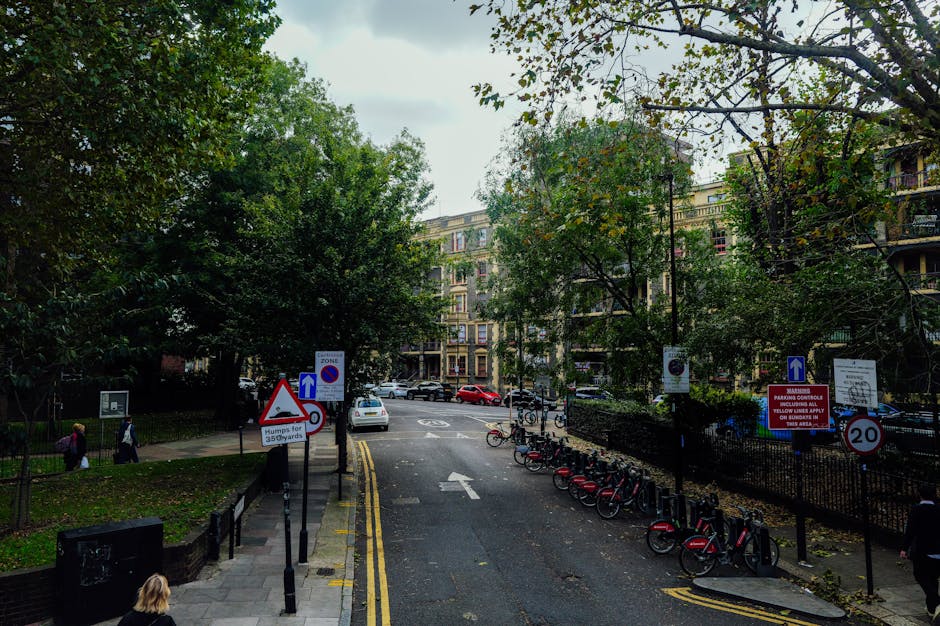
Portman Estate Moves: Parking bays, permits & van access
If you are planning a move in Marylebone, the details can get tricky fast. Streets are busy, loading space is limited, and a van that looks perfectly fine on paper can suddenly feel too large once you are trying to angle it into a narrow street at 8 a.m. That is exactly why Portman Estate Moves: Parking bays, permits & van access matters. Get the access side right and the rest of the move becomes calmer, quicker, and far less stressful. Get it wrong, and you can lose time, rack up extra costs, or end up doing the awkward shuffle with boxes half on the pavement. Not ideal, frankly.
This guide breaks down how parking bays, permits, and van access usually work around the Portman Estate, what to check before move day, and how to avoid the little mistakes that create the big headaches. It is written for anyone moving home, relocating a flat, shifting office items, or arranging specialist transport in the area.
You will also find practical links to helpful service pages such as removals in Marylebone, man and van support in Marylebone, and packing and boxes guidance where relevant. A smooth move is never just about lifting. It is about planning the street outside as carefully as the room inside.
Table of Contents
- Why Portman Estate Moves: Parking bays, permits & van access Matters
- How Portman Estate Moves: Parking bays, permits & van access Works
- Key Benefits and Practical Advantages
- Who This Is For and When It Makes Sense
- Step-by-Step Guidance
- Expert Tips for Better Results
- Common Mistakes to Avoid
- Tools, Resources and Recommendations
- Law, Compliance, Standards, or Best Practice
- Options, Methods, or Comparison Table
- Case Study or Real-World Example
- Practical Checklist
- Conclusion
- Frequently Asked Questions
Why Portman Estate Moves: Parking bays, permits & van access Matters
The Portman Estate sits in one of central London's more challenging moving environments. There are elegant residential streets, commercial addresses, mews properties, and pockets where traffic, residents, delivery vehicles, and pedestrians all compete for the same limited space. That is the reality. The move itself may only take a few hours, but the access planning can decide whether those hours feel manageable or chaotic.
Parking bays are especially important because a van needs somewhere lawful and practical to stop. In an area like Marylebone, you often cannot assume there will be space outside the building at the exact time you need it. Even when there is a bay nearby, it may be shared, time-restricted, or already occupied. A good plan accounts for this before anyone starts carrying furniture down the stairs.
Permits matter because a bay may require advance permission, the right parking arrangement, or at least coordination with building management and local restrictions. Van access matters because some streets are narrow, some turnings are awkward, and larger vehicles can struggle where a smaller removal van or a man with van in Marylebone setup would be more suitable.
And there is a wider point here too. Access problems do not just slow a move. They can affect neighbour relations, building rules, lift use, loading times, and the safety of everyone involved. If you have ever watched a delivery driver circle the block twice while two flat whites go cold on the dashboard, you already know how quickly a simple task can get annoying.
Expert summary: On the Portman Estate, the smartest move is usually the one planned around street access first and belongings second. Once the parking, permit, and van size are right, everything else tends to fall into place more easily.
How Portman Estate Moves: Parking bays, permits & van access Works
In practical terms, the process usually comes down to three layers: where the van can stop, whether the stop is permitted, and whether the vehicle can physically reach the loading point without creating problems.
1. Identify the exact loading point
Do not rely on a postcode alone. Two properties on the same street can have very different access conditions. Check the front entrance, side entrance, service entrance, and any rear or mews access. For flat moves, this is even more important because the front door may be busy with residential traffic while a side entrance offers a better loading route. If you need help working out the right service, a quick look at flat removals in Marylebone can be useful.
2. Check the parking situation early
Some streets may have marked bays; others may allow loading only at certain times; a few may have nearby restrictions that affect how long a van can remain stationary. In central London, timing is often as important as location. A move at 7:30 a.m. can be a very different beast from one at midday.
Look for:
- resident bays
- pay-and-display areas
- shared loading spaces
- single yellow or double yellow restrictions
- building-controlled forecourts or set-down points
3. Confirm whether a permit or booking is needed
This depends on the street, the building, and the exact nature of the vehicle stop. Some moves require building approval, concierge coordination, or timed loading arrangements. Others may simply require a careful plan to use an available space without breaching restrictions. To be fair, it is often the administrative bit that makes the difference, not the lifting.
4. Match the vehicle to the street
Van access is not only about size. It is also about turning radius, height restrictions, and the ability to stop without blocking traffic. A larger removal van can be efficient for a full house move, but a smaller vehicle or split-load approach may work better if the street is tight. If you are comparing vehicle types, the page on removal van options in Marylebone is a practical place to start.
5. Build the move around the building rules
Many Portman Estate properties, especially flats and managed buildings, have specific rules for moving in and out. That may include lift booking, protective floor covering, restricted hours, noise limits, and concierge notification. It sounds like a lot. It can be. But once it is lined up, the move tends to run more smoothly than the average last-minute scramble.
Key Benefits and Practical Advantages
Getting Portman Estate parking and access right gives you more than convenience. It protects the move as a whole.
- Less downtime: the van is positioned where it should be, so the crew can work continuously.
- Lower risk of penalties or disputes: fewer chances of parking issues, complaints, or unnecessary delays.
- Safer handling: shorter carrying distances mean less strain and less chance of damage.
- Better neighbour relations: a well-managed move is simply less disruptive to the street.
- More accurate timing: if the loading point is sorted, the schedule becomes more realistic.
- Reduced cost creep: and this one matters. Delays often turn into extra labour time or awkward rebooking.
There is another benefit that people sometimes underestimate: confidence. If you know where the van is going, who is handling the access, and what to do if a bay is occupied, the whole day feels less fragile. That is a small thing on paper. In real life, it is huge.
For moves involving furniture, bulky items, or specialist handling, pairing access planning with the right service can make a visible difference. For example, a furniture-heavy move may benefit from furniture removals in Marylebone, while a business relocation may be better served by office removals support and a tighter loading plan.
Who This Is For and When It Makes Sense
This topic matters to more people than you might think. Yes, it is obvious for home movers, but the same access issues come up in several other situations.
Home movers
If you are moving into or out of a flat, townhouse, mews property, or mansion block on the Portman Estate, access planning should be part of your main checklist. Especially if you are carrying sofas, beds, wardrobes, or fragile items down narrow staircases. If that sounds familiar, house removals in Marylebone may be worth reviewing alongside the route plan.
Lettings and property professionals
Estate agents, landlords, and property managers often need a clear picture of move timing to avoid complaints or clashes with other residents. A simple loading arrangement can prevent a lot of back-and-forth.
Students and short-term renters
Student moves can feel lighter, but they are often more time-sensitive. If a tenancy ends at midday and the van can only park for a short window, access planning becomes the whole game. That is where student removals in Marylebone can help keep things moving.
Business owners and office teams
For offices, access can affect everything from desk relocation to IT equipment handling. A missed loading slot can hold up the entire day. If you need a broader service overview, the services overview page is a helpful starting point.
Anyone moving on a tight timetable
If you are under time pressure, the difference between a permitted loading point and a vague "we should be able to stop there" plan can be dramatic. Same-day or urgent jobs especially benefit from clear access information, so it may be worth checking same-day removals in Marylebone if the move has come up quickly.
Step-by-Step Guidance
Here is a straightforward way to handle the move without overcomplicating it.
- Confirm the full address and building type. Flat, house, office, mews, or managed block? The answer changes the access plan.
- Map the access points. Note the main entrance, side entrance, service route, and the nearest practical stopping point.
- Ask about local restrictions. Parking bays, timed loading windows, and resident-only spaces all need attention.
- Check whether building management needs notice. Lifts, keys, concierge support, and floor protection may all need booking.
- Choose the right van size. Bigger is not always better in central London streets. Sometimes the smaller, smarter vehicle wins.
- Prepare the load in advance. Boxes, labels, dismantled furniture, and protective wrapping reduce time spent outside.
- Share access details with the moving team. Give them the exact street, any restrictions, and where they should wait if the bay is occupied.
- Have a backup plan. If the preferred bay is unavailable, know the second-best option before move day.
Simple enough, right? Still, many people skip one or two steps and then wonder why the day feels rushed. The truth is, access planning is not glamorous. But it is what keeps the rest of the move from wobbling.
If you are still comparing providers, removal companies in Marylebone can be a useful comparison point, especially if you want someone who understands local streets rather than treating every postcode the same.
Expert Tips for Better Results
These are the small details that tend to save the most trouble.
Book around local traffic patterns
Marylebone can feel very different at different times of day. Early morning can be calmer; late morning often gets busier. If your schedule is flexible, move earlier rather than later. It is not a magic trick, but it helps.
Use a smaller vehicle where the street demands it
It is tempting to choose the largest van available to reduce trips. Sometimes that works. Sometimes it creates the exact opposite problem: awkward turns, blocked access, and more stress. A well-loaded smaller vehicle can be the smarter choice, especially on tighter roads.
Label items by unload priority
When access is tight, every minute on the pavement matters. Label the items that need to come off first so the team can keep the flow going. This matters even more for flats where a lift or stairwell can become congested.
Keep the building informed
If your move involves a concierge, landlord, or managing agent, give them a heads-up. A two-minute call can prevent a half-hour delay. Honestly, it is one of the easiest wins.
Pack for faster handling, not just safer storage
Good packing is not only about protection. It also helps the crew move quickly and reduce the time the van needs to stay parked. If you want practical guidance on that side of the job, packing and boxes advice is well worth a look.
Think about storage before you need it
Sometimes access works perfectly, but the timing does not. Maybe the new place is not ready. Maybe completion is delayed. Having a backup storage plan can save a last-minute panic. See storage in Marylebone if that sounds relevant.
Common Mistakes to Avoid
Most access problems come from a handful of very ordinary mistakes. The annoying part is that they are usually avoidable.
- Assuming parking will be available. Never treat a public bay like a guaranteed space.
- Not checking whether the bay allows loading. A parking space and a loading space are not the same thing.
- Using the wrong van size. Too big can be just as troublesome as too small.
- Forgetting building rules. Some moves get delayed because the lift is not booked, or the concierge was not told.
- Not sharing access details with movers. If the team does not know the site conditions, they cannot plan properly.
- Leaving packing too late. Boxes that are half-finished on move morning slow everything down.
- Ignoring weather and foot traffic. A wet day, school run, or busy weekend can change the whole rhythm of the street.
A small one, but it catches people out: do not assume the driver knows the area just because they work in London. Local familiarity helps, sure, but every building has its own little quirks. The side gate that looked obvious in the listing might be tucked behind a planter and a buzzer panel. Happens all the time.
Tools, Resources and Recommendations
You do not need anything fancy, just a sensible set of tools and reference points.
- Measured inventory list: useful for matching van size and estimating loading time.
- Building contact details: concierge, landlord, letting agent, or facilities manager.
- Parking and access notes: a short written summary beats memory on a busy morning.
- Box labels and room tags: keeps unloading efficient once the van reaches the property.
- Protective materials: blankets, wrapping, tape, and floor protection where needed.
- Route awareness: especially if you are moving around Baker Street or Marylebone Station. The route advice in this local route guide can help you think through access and traffic flow.
If you want broader support, the best next step is often to speak with a local team that understands the area and can advise on vehicle choice, timing, and loading strategy. A quick enquiry via the contact page is usually enough to start shaping a realistic plan.
For general service context, removal services in Marylebone gives a broad view of what can be arranged. And if you are still at the quote stage, pricing and quotes can help you understand what affects the final cost.
Law, Compliance, Standards, or Best Practice
Access arrangements around the Portman Estate should be handled with care because parking, loading, and obstruction rules in London are taken seriously. While the exact requirements depend on the location and the authority responsible for the street, the practical rule is simple: do not assume you can stop wherever is convenient.
Best practice usually includes:
- checking whether the stop point is lawful for the time and vehicle type
- following any building or estate instructions
- avoiding obstruction of pedestrians, entrances, emergency access, or traffic flow
- keeping clear records of agreed move times and contact details
- making sure the move is planned in a way that protects people and property
If you are arranging a move for vulnerable residents, shared buildings, or high-value items, insurance and safety should also be part of the conversation. A sensible mover will take that seriously. You should too. See insurance and safety information if you want the details in one place.
It is also worth respecting sustainability and waste handling expectations. Moves produce packaging waste, unwanted items, and the occasional bit of awkward landfill-risk clutter. Responsible handling matters. You can read more on recycling and sustainability if that is part of your planning.
For service terms and the small-print side of things, the relevant policies are always worth a glance: terms and conditions, payment and security, and the health and safety policy. Dry reading, yes. Useful reading too.
Options, Methods, or Comparison Table
Different moves call for different access approaches. Here is a simple comparison to help you think it through.
| Approach | Best for | Strengths | Potential drawback |
|---|---|---|---|
| Single van with close parking | Smaller flat moves, light loads | Efficient, simple, fewer handlings | Depends heavily on a nearby lawful space |
| Smaller van / man and van | Tighter streets, limited access, short notice jobs | More flexible, easier to position, often faster in narrow areas | May require more trips for larger loads |
| Pre-booked loading bay with managed timing | Managed buildings, estate-controlled streets, larger moves | Predictable, organised, less conflict with other users | Requires more planning and coordination |
| Split-load or shuttle method | Restricted access, large homes, awkward loading points | Can work where a full-size van cannot stop directly outside | More labour time and careful scheduling needed |
In real life, the best option is usually the one that fits the street, not the one that looks best on a brochure. Simple as that.
Case Study or Real-World Example
Here is a realistic example, based on the kind of move people often face around the Portman Estate.
A couple moving from a Marylebone flat had a straightforward inventory: a bed, a sofa, a dining table, several boxes, and a couple of fragile items. At first glance, it looked like a standard half-day move. The catch was the street outside. Parking was tight, there was no guarantee that a large van could sit directly outside, and the building required notice for lift use.
Instead of sending a big vehicle and hoping for the best, the move was planned around a smaller van, an early start, and a clear loading window. Boxes were packed in room order, the building was notified in advance, and the route to the front door was kept clear. The result? The team worked steadily, the street disruption stayed low, and the move finished without anyone standing around waiting for access to sort itself out.
Nothing dramatic. No heroic lifting montage. Just good planning, which is often the whole story anyway.
If the move had involved more furniture or a more complex schedule, they could have combined this approach with a dedicated man and a van service or a fuller Marylebone removals service. That flexibility is useful when access is the limiting factor, not the amount of furniture.
Practical Checklist
Use this before move day. It is the sort of list that saves you from that slightly panicked, coffee-in-hand moment at 7:45 a.m.
- Confirm the exact address, entrance, and access point
- Check parking bay rules and loading restrictions
- Ask whether a permit, booking, or building notice is needed
- Tell the movers about narrow streets, gates, steps, or lifts
- Choose a van size suited to the road, not just the load
- Book the move at a sensible time of day
- Pack and label boxes in advance
- Protect furniture and fragile items properly
- Keep contact numbers for the building and mover handy
- Have a backup plan if the preferred parking space is unavailable
- Check insurance, payment, and terms before confirming
- Leave enough time for loading, traffic, and one unexpected hiccup. There is usually one.
Conclusion
Portman Estate moves are rarely difficult because of the furniture alone. They are usually difficult because access needs thought. Once you sort out the parking bay, permit questions, and van access details, the rest of the move becomes much more manageable. That is the pattern, almost every time.
The best approach is simple: plan early, choose the right vehicle, share clear information with your movers, and treat the street outside as part of the job rather than an afterthought. Do that, and you are far more likely to have a calm move with fewer delays and fewer surprises.
For many people, the difference between a stressful day and a decent one comes down to planning the first ten minutes properly. A little extra care now saves a lot of hassle later. And honestly, that is worth doing.
Get a free quote today and see how much you can save.
Frequently Asked Questions
Do I need a parking permit for a move on the Portman Estate?
Sometimes, but not always. It depends on the specific street, the parking rules in place, and whether the stop is for loading or longer parking. Check the exact location rather than assuming.
What is the best van size for Portman Estate streets?
The best van is usually the smallest one that still fits your load comfortably. In tighter streets, a smaller or more manoeuvrable van can be easier to position and quicker to unload.
Can a removal van stop outside my building for loading?
Not automatically. Some streets allow loading, some have timed restrictions, and some are too busy or narrow for easy stopping. Always confirm the access point first.
How far in advance should I arrange parking or access details?
As early as possible. For managed buildings or busier streets, a few days' notice is helpful. For more complex moves, earlier is better.
What if the parking bay is already occupied on move day?
Have a backup plan. Your mover should know the nearest alternative stopping point, even if it is a short walk away.
Are flat moves harder than house moves around the Portman Estate?
Often, yes, because flat moves can involve lifts, stairs, shared entrances, and tighter loading arrangements. That said, a well-planned flat move can still go very smoothly.
Can I use a man and van service for this kind of move?
Yes, especially if access is limited or the load is moderate. A smaller, flexible service can be a good fit for Marylebone streets.
What should I tell the movers before move day?
Give them the exact address, parking situation, building rules, any steps or lifts, preferred access point, and whether there are any time restrictions.
Do I need to book a lift or notify building management?
If the building requires it, yes. This is one of those details that seems minor until it causes a delay. Always check in advance.
How can I reduce delays during loading?
Pack early, label clearly, keep the route clear, and make sure the van can stop legally and safely as close as possible to the entrance.
Is same-day moving possible in Marylebone if access is tight?
Yes, in some cases. But same-day jobs work best when the access details are clear and the vehicle choice is realistic. It is the planning that makes it possible.
Where can I get help choosing the right service?
You can start with the services overview and then contact the team directly for advice tailored to your move. If you want to ask specific questions, use the contact page.